
New Vermont Vehicle Inspection Rules: What Changes September 1, 2026
Beginning September 1, 2026, several Vermont vehicle conditions that previously could cause a failed State Inspection will instead result in an advisory to the vehicle owner.
Vermont still requires periodic safety and emissions inspections, and defects that present an immediate safety risk can still prevent a vehicle from receiving an inspection sticker. However, the revised Vermont Periodic Inspection Manual gives vehicle owners more choice about repairing certain conditions that do not, by themselves, require an immediate inspection failure.
The changes affect brake rotors, tires, dashboard warning lights, windshields, power windows, wiper blades, shock absorbers and several other inspection items. The general road-test requirement is also being removed.
Central Vermont Auto Mart owner Mitchell Jay, who has worked in Vermont's automotive industry for nearly 40 years and helped rewrite the inspection manual in 2019, discussed the practical effects of the changes with Vermont Public. In this guide, we explain what Central Vermont drivers should know before their next inspection.
What Changes in Vermont Vehicle Inspections on September 1, 2026?
The Vermont Legislature directed the Department of Motor Vehicles to revise the State's inspection requirements so a vehicle would be rejected when a condition constitutes an immediate safety risk. The changes are intended to maintain important safety standards while helping Vermont drivers avoid being required to make certain noncritical repairs solely to receive an inspection sticker.
The Legislative Committee on Administrative Rules approved the revised manual in August. The new requirements take effect on September 1, 2026, and apply when passenger cars and light trucks are inspected at licensed Vermont inspection stations.
| Inspection Item | What Changes September 1, 2026 |
|---|---|
| Brake rotors and drums | The failure standard changes from rotor or drum "rust" to qualifying "pitting." Rust buildup that does not meet the rejection standard becomes an advisory. |
| Tire weather cracking | Cuts, snags, and severe ozone or weather cracks become advisory conditions rather than automatic rejection items. |
| Airbag indicator | An airbag indicator that fails to light, continuously flashes, or remains illuminated becomes an advisory. |
| ABS warning | The previous rejection language concerning the anti-lock braking system warning light is removed. |
| Speedometer | Odometer | A speedometer that does not illuminate, or a speedometer or odometer that does not function, becomes an advisory. |
| Front defroster | A front defroster that does not function becomes an advisory. |
| Power steering belt | A broken power steering belt becomes an advisory rather than an automatic failure. |
| Shock absorber function | Continued free rocking after the vehicle is released becomes an advisory. Missing, loose, broken, or excessively leaking suspension components can still cause rejection. |
| Windshield damage | Two or more star breaks or bullseyes larger than 1.5 inches in the critical area become an advisory. Other prohibited windshield conditions can still cause failure. |
| Power or manual windows | A window that does not operate properly becomes an advisory. Applicable visibility, tint, and safety-glass requirements remain. |
| Wiper-blade rubber | Ripped rubber or missing blade sections become advisory conditions. The front windshield wipers must still operate. |
| Road test | The general requirement that every vehicle be road-tested as part of the inspection is removed. |
This summary focuses on the changes most likely to affect passenger-car and light-truck owners. It does not replace the complete Vermont Periodic Inspection Manual or cover every condition a certified inspection mechanic must examine.
Brake Rotor Rust Versus Pitting: What Is the Difference?
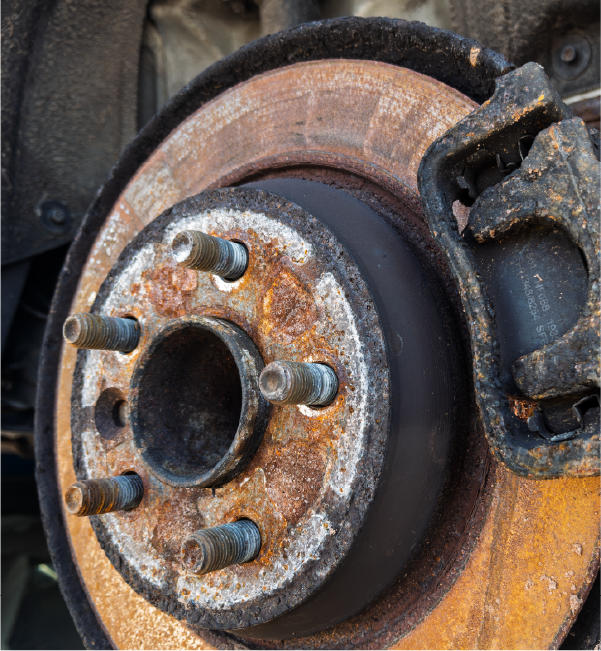
Brake rotor surface rust has long been a source of confusion for Vermont drivers and a point of frustration for the parties involved in the vehicle inspection process. Bare metal brake rotors can develop visible oxidation after a vehicle sits outdoors for only a short time. Rain, humidity, winter road salt, and even a few weeks without regular driving can leave rust on the rotor's contact surface.
Under the revised manual, the rejection criterion replaces the word "rust" with "pitting." A rotor or drum can be rejected if more than one-half inch of cumulative pitting exists on a braking surface. A buildup of rust on the contact surface that does not meet the failure standard must instead be reported to the customer as an advisory.
As Mitchell Jay explained to Vermont Public, a vehicle sitting at an auction for several weeks may develop rust on its rotors simply because it has not been driven. In many cases, ordinary surface oxidation can disappear after the brakes are used during normal driving. The revised wording allows inspection mechanics to distinguish that temporary surface condition from deterioration that has progressed to pitting.
This does not mean that every rusty-looking rotor will pass. Deep pitting, a rotor below the manufacturer's minimum thickness, cracks, mechanical damage, contamination, or other conditions covered by the manual can still require rejection or repair. The inspection mechanic must evaluate the actual condition of each braking surface.
Can Weather-Cracked or Older Tires Pass a Vermont Inspection?
Under the new requirements, cuts, snags, and severe ozone or weather cracks become advisory items rather than automatic reasons to fail a passenger car or light truck. This may be particularly helpful for Vermonters who drive relatively few miles and have tires that age before their tread wears out.
However, the change does not eliminate Vermont's essential tire-safety requirements. A vehicle can still be rejected if:
- A tire has less than 2/32 inch of tread remaining in any two major grooves.
- A worn spot or deep cut exposes the tire cord through the tread.
- A tire has a visible bulge indicating separation of the tire structure.
- Tires on the same axle are not the same type, construction, or size.
- A tire is marked for farm, off-highway, racing, or other non-highway use.
The manual also directs inspection mechanics to advise customers when tire tread is between 2/32 and 4/32 inch, when the tire size does not match the manufacturer's specifications, or when a tire is more than eight years old. For a tire older than eight years, the mechanic must recommend replacement.
An advisory is not a statement that an aging or cracked tire is in ideal condition. Tire damage and age can still affect reliability and safety. The change means the identified condition alone does not automatically require replacement before an inspection sticker can be issued.
Which Dashboard Warning Lights Can Pass Vermont Inspection?
Some dashboard-light requirements change on September 1, but it would be incorrect to assume that every vehicle with a warning light will pass.
Airbag and ABS indicators
An airbag indicator that does not illuminate during its normal check, continuously flashes, or remains on becomes an advisory rather than an automatic inspection failure. The previous rejection language related to the ABS failure indicator is also removed.
These are important safety systems. An advisory gives the vehicle owner the choice of whether and when to repair the condition for inspection purposes, but it does not mean the airbag or anti-lock braking system is operating correctly. A driver should consider the potential safety consequences before delaying diagnosis or repair.
Brake-system warning light
The brake-system failure indicator remains different from the airbag and ABS items. A brake-system failure light that stays illuminated after the engine is started and the parking brake is released can still cause a vehicle to be rejected.
Check-engine light
The September safety-inspection revisions do not eliminate Vermont's applicable emissions-inspection requirements. A check-engine light can indicate a fault in emissions-related equipment, and it may still cause an emissions-inspection failure when emissions testing applies to the vehicle.
Tire-pressure warning light
An illuminated tire-pressure monitoring system, or TPMS, warning remains an advisory. The mechanic must inform the customer and recommend repair, but that warning alone is not an automatic rejection item.
Windshields, Windows, Wipers and Defrosters
The revised manual moves several visibility and convenience-related conditions from rejection to advisory status, but related safety requirements remain in effect.
Windshield damage
Two or more star breaks or bullseyes larger than 1.5 inches within the windshield's critical area become an advisory. A windshield can still fail for other reasons, including intersecting cracks in the critical area, prohibited nontransparent material, illegal aftermarket tint, missing glass, or glass that does not meet safety-glass requirements.
Power and manual windows
A manual or power-operated window that does not work properly becomes an advisory. However, the side windows next to the driver must still meet applicable transparency, tint, and safety-glass requirements.
Windshield wipers and defroster
Ripped wiper-blade rubber or missing rubber sections become advisory conditions. Front windshield wipers must still operate, and vehicles produced after January 1, 1969, must still have at least two wiper-speed settings. A front defroster that does not work also becomes an advisory.
What Is a Vermont Inspection Advisory?
An inspection advisory means the mechanic identified a condition that should be brought to the vehicle owner's attention, but the condition by itself does not require the vehicle to fail under the revised inspection standard.
This distinction gives the customer more control over certain repair decisions. The mechanic should clearly explain the condition and may recommend repair, especially when continued wear could affect safety or lead to a future failure. The vehicle owner can then consider the severity of the condition, the way the vehicle is used, and the cost and timing of the repair.
A rejection is different. When a vehicle does not meet a remaining safety or emissions requirement, the station cannot issue a sticker until the applicable requirements have been satisfied.
What Has Not Changed About Vermont State Inspections?
The new manual eases several rejection standards, but Vermont is not ending annual vehicle inspections. Beginning September 1, drivers should still remember:
- Registered vehicles must still receive the required periodic inspection.
- The inspection must be performed at an official Vermont inspection station by a certified inspection mechanic.
- Immediate safety defects can still prevent a vehicle from receiving a sticker.
- Minimum tire tread and structural tire requirements remain.
- Brake-system, steering, suspension, lighting, glass, exhaust, and body requirements still apply, even though the revised rules change how certain conditions within these categories are evaluated.
- Applicable emissions requirements remain in effect.
- An advisory does not guarantee that the affected component is functioning properly or should be ignored.
The removal of the general road-test requirement also does not reduce the inspection to a quick visual check. Certified inspection mechanics must still examine the components and systems required by the Vermont Periodic Inspection Manual.
A Central Vermont Perspective on the New Inspection Rules
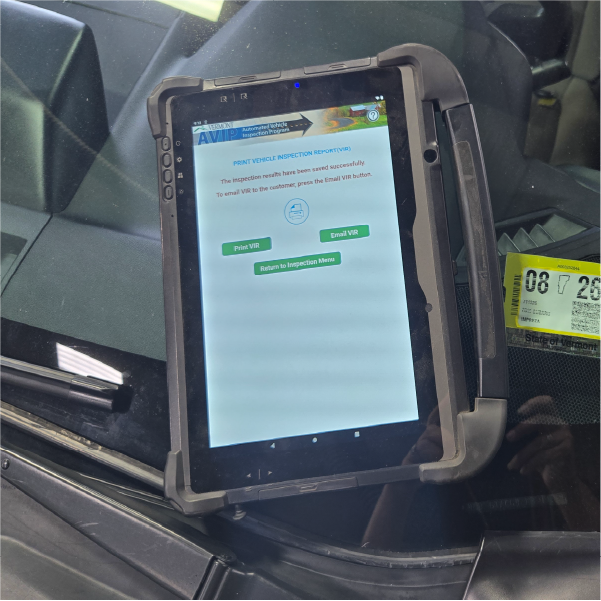
Mitchell Jay has worked in Vermont's automotive industry for nearly four decades and was part of the committee that rewrote the state's inspection manual in 2019. Drawing on his many years of industry experience and knowledge of Vermont's vehicle inspection program, Vermont Public interviewed Mitchell about how the 2026 changes may affect drivers and repair facilities.
Mitchell believes the brake-rotor and tire changes have some of the greatest potential to help Vermonters. Surface oxidation can appear quickly on brake rotors, while low-mileage drivers may own older tires with weather checking even though the tires still have substantial tread. Moving these conditions to more specific failure standards or advisories allows the mechanic to inform the customer without automatically requiring every condition to be repaired solely to obtain a sticker.
That approach is consistent with how our team at Central Vermont Auto Mart believes an inspection should be handled: examine the vehicle carefully, apply Vermont's requirements accurately, clearly explain what we find, and avoid selling repairs that are not necessary to meet the inspection standard.
Where Can I Get a Vermont State Inspection Near Barre or Montpelier?
Central Vermont Auto Mart is an official Vermont inspection station in Montpelier, conveniently serving drivers from Barre, Berlin, Northfield, Williamstown, Waterbury, and communities throughout Central Vermont. Our certified technicians perform Vermont safety and emissions inspections and will apply the standards in effect on the date of your appointment.
If your vehicle passes, we will complete the inspection and issue the appropriate sticker. If it does not pass, we will explain the specific rejection item and what is required. When we identify an advisory condition, we will tell you what we found and help you understand it without presenting the repair as something the State requires before issuing a sticker.
Vermont State Inspections at Central Vermont Auto Mart are $55 for the inspection labor plus the $8 State sticker fee. Walk-ins are welcome when our schedule allows, or you can make an appointment online. Have a question before scheduling? Call our service team at 802-200-3858.
Could Vermont's Inspection Rules Change Again?
The revised Vermont Periodic Inspection Manual takes effect September 1, 2026, and inspection stations must follow those requirements. However, the DMV is also proceeding through the formal administrative rulemaking process, which provides an opportunity for public comments and further consideration of the rules. As part of that process, the DMV may clarify or revise portions of the manual before the permanent rule is finalized.
Input from Vermont drivers and the certified technicians and inspection stations that apply these standards every day could help resolve some remaining questions. One example involves advanced driver-assistance systems, often called ADAS. The revised manual eliminates the general road-test requirement but instructs inspection stations to advise customers about identified problems with these systems. Without a road test, it may be difficult to identify certain operational problems unless a warning indicator is illuminated or the defect is otherwise evident during the inspection.
This does not change the requirements effective September 1. It does mean that Vermont's inspection standards may receive additional clarification or revision through the formal rulemaking process. Central Vermont Auto Mart will continue monitoring that process and update this article if the applicable requirements change.
Frequently Asked Questions About Vermont Vehicle Inspections
When do Vermont's new vehicle inspection rules take effect?
The revised Vermont Periodic Inspection Manual takes effect September 1, 2026. Vehicles inspected before that date are subject to the requirements in effect at the time of the inspection.
Will brake rotor surface rust still fail a Vermont inspection?
Ordinary surface rust is no longer the stated rejection standard. Beginning September 1, rejection is based on qualifying pitting, including more than one-half inch of cumulative pitting on a braking surface. Rust buildup that does not meet the rejection criteria becomes an advisory. Other unsafe rotor conditions can still cause failure.
Can weather-cracked tires pass a Vermont inspection?
Cuts, snags, and severe ozone or weather cracks become advisory conditions under the revised manual. Tires can still fail for insufficient tread, exposed cord, structural separation, improper combinations, or other remaining rejection criteria.
Will an airbag light cause my vehicle to fail?
Beginning September 1, an airbag indicator that fails to illuminate, continuously flashes, or remains on becomes an advisory rather than an automatic rejection. The warning may indicate that the airbag system is not operating properly, so diagnosis and repair may still be advisable.
Will an ABS light cause a Vermont inspection failure?
The revised manual removes the previous rejection language concerning the ABS failure indicator. An illuminated ABS light may indicate that the anti-lock function is unavailable, however, and should not be assumed to mean the braking system is operating exactly as designed.
Will a check-engine light still fail Vermont inspection?
It can. The September revisions do not eliminate applicable Vermont emissions-inspection requirements. A check-engine light associated with an emissions-system fault may still prevent a qualifying vehicle from passing its emissions inspection.
Can a cracked windshield pass Vermont inspection?
It depends on the type and location of the damage. Two or more star breaks or bullseyes larger than 1.5 inches in the critical area become an advisory, but intersecting cracks in the critical area and other prohibited glass conditions can still cause rejection.
Do Vermont inspection stations still have to road-test every vehicle?
No. The revised manual removes the general requirement that every vehicle be road-tested as part of the inspection. Mechanics must still perform the required physical examinations of the vehicle's safety and emissions systems.
What is the difference between an inspection failure and an advisory?
A failure means a requirement has not been met and a sticker cannot be issued until the applicable problem is corrected. An advisory informs the owner about a condition, but that condition alone does not prevent the vehicle from passing.
Where can I schedule a Vermont State Inspection near Barre or Montpelier?
Central Vermont Auto Mart is an official Vermont inspection station in Montpelier serving Barre, Berlin, Northfield, Waterbury, Williamstown, and surrounding Central Vermont communities. Appointments can be requested through our online service scheduler or by calling 802-200-3858.
Are Vermont's 2026 inspection changes final?
The revised manual is effective September 1, 2026, but the DMV is also proceeding through Vermont's formal administrative rulemaking process. Public and industry input may lead to additional clarification or revisions. Inspection stations must follow the requirements currently in effect unless the DMV adopts further changes.
Sources and Additional Information
- Vermont Department of Motor Vehicles: Report on Proposed Changes to the Periodic Inspection Manual
- Vermont Public: Vermont's New Car Inspection Rules Ease Up on Brake Rust, Tire Cracks and Dashboard Lights
This article is intended as a practical summary for Vermont vehicle owners and is not a substitute for the complete Vermont Periodic Inspection Manual. Inspection results depend on the condition of the individual vehicle and the requirements in effect on the inspection date.
Explore Our Service & Maintenance Guide | Browse More Service Tips | Browse All Articles
 Published August 2026
