State of the Vermont Auto Market in 2025: Why Local Sales Fell While the Nation Grew
In 2025, the national auto market showed signs of recovery. New vehicle sales increased across the United States and used vehicle volumes edged upward as well. But here in Vermont, the story looked very different.
According to Vermont registration data, total vehicle registrations declined nearly 10% in 2025 compared to 2024. Both new and used vehicle registrations fell - a contrast to national trends.
So why is Vermont moving in the opposite direction? And what does it mean for drivers heading into 2026? Let's take a closer look.
📉 Vermont's Auto Market Declined in 2025
Here's what the numbers show:
- New vehicle registrations fell 8.2%
- Used vehicle registrations fell 10.9%
- Total registrations declined 9.9% overall
Nationally, analysts estimated new vehicle sales rose in 2025, with used vehicle sales also increasing modestly. That divergence makes Vermont worth examining more closely.
🚗 New Vehicle Sales: Why Vermont Moved Differently
National sales improved in 2025 as supply chain disruptions eased and inventory levels stabilized. Yet Vermont saw a notable decline.
Possible contributing factors
- Continued affordability concerns in rural markets
- Higher average vehicle transaction prices
- Interest rate sensitivity among buyers
- Slower population growth compared to larger metro regions
Financing has been another contributing factor, set up by elevated loan balances originating in the 2020-2022 post-pandemic period, when vehicle inventories were constrained and manufacturer discounts were rare. With many buyers financing larger amounts at extended loan terms, a portion of today's owners may have limited or negative equity in their current vehicles, making trade cycles more difficult.
Vermont's demographic and geographic profile differs significantly from many markets that drive national sales growth.
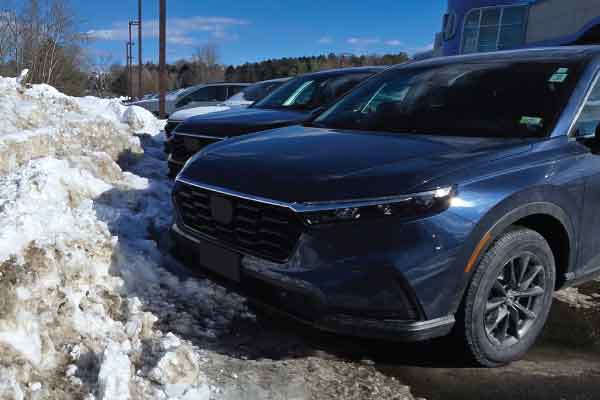
🚘 Vermont's Top 5 New Vehicle Brands in 2025
Even in a down year, brand preferences in Vermont remain remarkably consistent.
Top 5 New Vehicle Brands by Market Share:
- Toyota - 17.4%
- Subaru - 13.95%
- Ford - 12.35%
- Chevrolet - 9.8%
- Honda - 7.66%
Toyota and Subaru together account for more than 31% of Vermont's new vehicle market-a strong indicator of buyer priorities. These brands are known for all-wheel drive capability, reliability in harsh winter conditions, and strong resale value. Ford and Chevrolet maintain strength largely due to pickup truck demand, while Honda continues to perform well with efficient, practical passenger vehicles.
🔄 Used Vehicle Registrations Fell Nearly 11%
Used vehicle registrations in Vermont declined nearly 11% year-over-year, even as national projections suggested modest growth.
What a decline like this can indicate
- Owners holding vehicles longer
- Replacement cycles stretching
- Financing challenges delaying purchases
- Inventory mix and pricing shifting in ways that affect transaction volume
Interestingly, Vermont's vehicle fleet is younger than the national average-approximately 10 years old compared to 12.2 years nationally. That raises an important question: why would a state with a younger fleet see declining turnover in 2025?
🔁 Vermont's Top 5 Used Vehicle Brands in 2025
The used market mirrors the new market closely.
Top 5 Used Vehicle Brands by Market Share:
- Toyota - 14.01%
- Subaru - 13.34%
- Ford - 11.13%
- Chevrolet - 9.56%
- Honda - 7.83%
The similarity between new and used rankings highlights something important: Vermont drivers tend to stay loyal to brands that perform well in our climate. It also reinforces the resale strength of these manufacturers, especially Toyota and Subaru, which continue to lead both sides of the market.
🧂 The Vermont Rust Factor: A Hidden Influence on Fleet Age
One often-overlooked factor in Vermont's fleet dynamics is winter road salt. Unlike many southern or western states, Vermont vehicles are routinely exposed to road salt, freeze/thaw cycles, high moisture levels, and long winter seasons.
Over time, corrosion can affect critical components such as brake lines, fuel lines, frame areas, and suspension parts. When rust reaches structural or safety-critical components, vehicles can become uneconomical to repair-especially older models.
This environmental reality may partially explain why Vermont's fleet age is younger than the national average. Vehicles here can face harsher structural deterioration earlier in life compared to drier climates, which can increase turnover even when registration volume softens in a given year.
🔋 EV Adoption, Leasing Behavior & the 2025 Incentive Shift
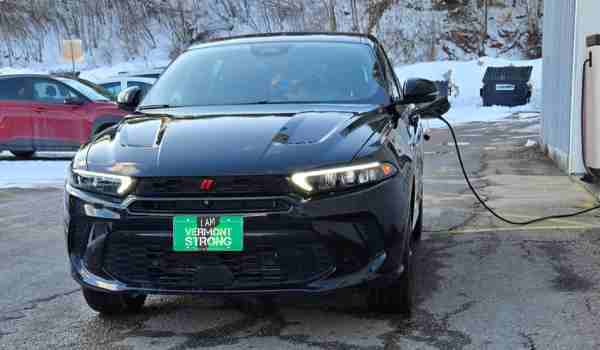
One of the most interesting data points from 2025 involves battery electric vehicles (BEVs). In Vermont, approximately 70% of new BEVs were leased, with a much smaller share financed or purchased with cash. That leasing rate is dramatically higher than the overall market.
EV adoption was gaining momentum earlier in 2025, but ownership behavior differs significantly from traditional vehicles. After the $7,500 federal tax credit expired at the end of September 2025, new EV registrations softened noticeably. Because the credit directly reduced the effective purchase price-and in many cases was structured to benefit leasing transactions-its removal increased upfront cost sensitivity for many Vermont buyers.
Why leasing is often the preferred path for BEVs
- Rapid EV technology evolution
- Consumer uncertainty around long-term battery value
- Residual value risk shifting to manufacturers
- Charging access considerations in rural areas
Despite growing interest, gasoline and hybrid vehicles still represent the overwhelming majority of Vermont's fleet.
⛽ Vermont’s Infrastructure Reality
Vermont maintains hundreds of traditional gasoline fueling stations, along with an expanding network of public EV charging. For rural drivers, charging access remains a consideration-particularly outside major travel corridors-and infrastructure realities continue to shape buying decisions.
🧭 What This Means for Vermont Buyers in 2026
Several key takeaways emerge from the 2025 data:
- Vermont's market does not always move in sync with national trends.
- Environmental factors like corrosion influence long-term ownership patterns and turnover.
- EV adoption patterns differ significantly from traditional vehicles, especially in payment behavior.
- Brand loyalty remains strong, with Toyota and Subaru leading both new and used markets.
If national momentum continues while Vermont remains softer, 2026 could create competitive buying opportunities, inventory rebalancing, and strategic timing windows for informed consumers.
🏔️ The Big Picture
Vermont's automotive market is shaped by climate, geography, infrastructure, demographics, and economic conditions. While national headlines often focus on overall U.S. growth, local data tells a more nuanced story. Understanding those differences helps buyers, sellers, and industry observers make more informed decisions as the market continues to evolve.

Want to stay informed about automotive news and
industry changes?
 Published February 25, 2026