How to Protect Your Vehicle from Rust in Vermont’s Harsh Climate
🌨️ Why Rust Is a Bigger Problem in Vermont
If you own a vehicle in Vermont, rust isn't just cosmetic - it can become structural. Our winters bring heavy use of road salt and brine solutions designed to prevent ice. While they make roads safer when applied correctly with sufficient coverage, they significantly accelerate corrosion underneath your vehicle.
Add in dirt roads that sandblast lower panels, spring mud season that drags undercarriages across frozen ruts, and occasional bottoming-out on rough terrain, and you have the perfect storm for corrosion. Scrapes and scoring can remove factory protective coatings, exposing raw metal to moisture, salt, and oxygen.
At Central Vermont Auto Mart, we've seen firsthand how quickly untreated corrosion can affect frames, brake lines, suspension components, and body panels - and how proper prevention can extend a vehicle's life significantly.
🚿 Wash the Undercarriage - Not Just the Paint
Salt Stays Active Long After the Snow Melts
Most drivers focus on keeping the exterior clean, but rust begins underneath.
During winter months:
- Wash your vehicle every 1-2 weeks if possible
- Choose car washes with undercarriage spray
- Rinse thoroughly after heavy storms
- Continue washing into early spring
Salt doesn't stop corroding when the snow melts. It stays trapped in seams, crossmembers, and suspension mounting areas.
Pro Tip: A warm day above freezing is the ideal time to wash, allowing water to evaporate instead of freezing in crevices.
If you're unsure what to prioritize, our service department can help you build a seasonal plan based on how and where you drive in Vermont.
🛠️ Repair Scrapes and Chips Quickly
Small Damage Becomes Big Corrosion
Dirt roads and mud season can chip paint and undercoating. Even small scrapes can expose bare metal.
- Rock chips on lower doors
- Scratches behind wheel wells
- Damaged splash shields, allowing debris to accumulate on untreated areas
- Surface rust beginning on exposed brackets
Addressing these issues early can slow corrosion progression and protect the structural integrity of your vehicle.
During regular inspections, you will often be able to pin-point problems allowing you to perform early prevention maintenance, saving you thousands later.
🔍 Inspect High-Risk Areas Each Season
Where Rust Typically Starts
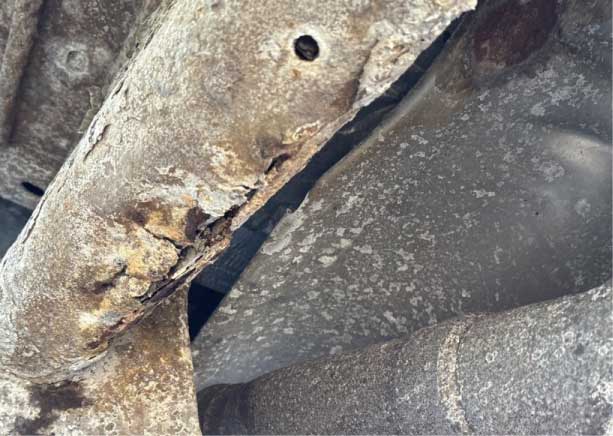
Rust tends to develop in predictable areas:
- Frame rails and crossmembers
- Brake and fuel lines
- Wheel wells and rocker panels
- Suspension mounting points
- Inside lower door seams
A quick seasonal inspection - especially after winter - can help catch corrosion before it becomes structural.
We recommend checking underneath during routine maintenance visits or at least annually as part of your ownership routine.
💰 Why Rust Prevention Protects Your Trade-In Value
Corrosion Directly Impacts Appraisal
Rust affects more than appearance - it directly impacts your trade-in value.
- Reduce appraised value
- Create safety concerns
- Triggers possible Vermont State inspection issues
We regularly appraised vehicles throughout the Barre-Montpelier area, and one of the key areas is evaluating the structural integrity of the vehicle being inspected.
Protecting your vehicle from rust isn't just maintenance - it's protecting your long-term investment.
🏔️ Vermont Driving Requires Vermont-Level Protection
Ownership, Maintenance & Long-Term Value
Vehicles in southern states simply do not face the same corrosion risks. Vermont ownership demands proactive care.
- Understand underbody condition before purchasing
- Protect vehicle value during ownership
- Maximize equity when trading or selling
- Get answers to questions about rust prevention
Protecting your vehicle between service visits is one of the smartest ways to extend its lifespan and preserve resale value in Vermont's harsh climate.
📞 Questions About Rust, Inspections, or Safety?
If you have concerns about corrosion, Vermont State Inspection requirements, or rust affecting critical components like brake lines, fuel lines, or structural mounting points, our team is here to help.
Whether you're maintaining your current vehicle or preparing to trade or sell, we can provide guidance, inspections, and honest advice so you understand your options before small corrosion issues turn into major repairs.

 |
Friendly
service. Clear explanations. No pressure. We've got you
covered.
❓ Vermont Vehicle Rust FAQ
It can, based on the current Vermont Safety Inspection Manual updated in 2019. Severe corrosion on structural components, brake lines, fuel lines, suspension mounting points, or frame sections may lead to inspection issues if safety is compromised.
Ideally every 1–2 weeks during heavy salt season. Focus on undercarriage rinsing to remove salt buildup that continues corroding long after storms pass.
Light surface rust is common in Vermont and often cosmetic. Structural rust involves scaling, flaking, or perforation that weakens metal components and can impact safety and value.
Yes. Structural corrosion, especially on frames or brake and fuel systems, can reduce appraisal value and limit resale flexibility. Preventive care helps protect your equity. Surface rust also will lower your cars value, but usually is repairable, while the cost of repairing structural rust or perforation on several body panels can exceed the value of the vehicle.
Yes. These are safety-critical components. If corrosion becomes severe, lines can weaken over time, leading to leakage or worse yet a blow-out, with catastrophic damage and possible bodily injury resulting in some case. Routine inspections during service visits are the best way to monitor their condition.
Want to learn more about vehicle ownership and long-term care?
 Published February 22, 2026