The Ultimate Guide to Used Car Ownership in Vermont
🚗 Why Owning a Used Car in Vermont Is Different
Owning and operating a vehicle in Vermont is not the same as owning one in Georgia, Texas, or even southern New Hampshire. Our weather, road conditions, and annual state inspection requirements create a unique ownership environment - especially for older used vehicles.
Road salt, brine, freeze-thaw cycles, dirt back roads, potholes, and long winters all place additional stress on suspension components, brakes, batteries, and undercarriage parts. Vehicles here in Vermont must endure more corrosion exposure and cold-start strain than in many other regions of the country.
That doesn't mean owning a used vehicle in Central Vermont is risky. It means it requires informed ownership and proactive maintenance to keep it safe and reliable.
🔍 Buying Smart: What to Look for Before You Commit
Your used vehicle journey to success begins before you sign the paperwork.
Evaluating Rust: Surface vs Structural Corrosion
In Vermont, rust evaluation is critical. Surface rust is common and generally cosmetic. However, rust that causes perforation, weakening of the suspension components or the vehicles frame is far more serious.Mechanical Systems & Title status to Inspect Before Purchase
Other items to evaluate include:- Brake condition and rotor thickness
- Suspension wear (clunks, looseness, uneven tire wear)
- Maintenance history if it is available
- Timing belt replacement intervals if the car has a belt instead of a chain, again if this history is available
- Rebuilt or salvage title disclosures
- Vermont inspection status
An informed purchase significantly reduces unexpected repair costs during ownership.
At Central Vermont Auto Mart, every retail vehicle, with the exception of certain as-is/do it yourself fixer up projects that are rarely sold, goes through a safety and mechanical review process before being offered for sale, because informed ownership starts with informed preparation to help insure reliability for your chosen vehicle.
💰 Understanding Used Car Financing and Long-Term Ownership Costs
Why One-Stop Financing Matters
You may find the perfect vehicle - but financing structure directly impacts ownership experience.Working with a local dealership that offers one-stop financing provides:
- Access to multiple lenders instead of one bank or credit union's loan program
- Faster approval decisions
- Competitive rate options
- Time savings (no back-and-forth trips between bank, yourself and your dealer)
- Flexible solutions for customers with credit challenges, whereas a bank or credit union may not have a solution and turns you down
- In many cases, financing approval happens faster at our dealership than it would take to drive to your local bank.
How Financing Structure Impacts Long-Term Ownership
Proper financing structure protects your monthly budget, which in turn allows you to maintain your vehicle correctly over time - a key factor in long-term ownership success.
🛠 Routine Maintenance That Protects Your Investment
A used vehicle is a depreciating asset - but smart maintenance slows financial loss and extends usable life. Essential maintenance categories include:
Oil and Fluid Services
Regular oil changes protect engine longevity, especially during cold Vermont winters.
Brake Inspections
Brake pads and rotors experience increased wear from salt and moisture exposure.
Suspension Components
Struts, shocks, and control arms absorb significant stress from rough Vermont roads.
Battery Testing
Cold weather reduces battery performance. Preventative testing avoids winter breakdowns.
Tire Condition and Alignment
Proper tire wear improves safety and fuel efficiency.
Consistent service in the Barre-Montpelier area prevents small issues from becoming expensive repairs.
❄️ Winter Ownership Realities in Central Vermont
Winter is the true test of vehicle reliability.
Common Winter Stressors
Common Vermont winter stressors include:- Corrosion from road salt
- Cold-start engine strain
- Reduced tire traction
- Battery voltage drop
- Heater and defroster demand
Preparation strategies:
- Seasonal tire inspection and change overs - hint, know what tire installation costs in Montpelier run to save money and pick a reliable shop that can get you an appointment in a timely manner
- Underbody wash treatments
- Battery load testing before the cold weather hits - don't get caught off guard needing a vehicle battery replacement in Barre-Montpelier when it is below zero
- Brake inspection before the snow flies
Pre-Winter Preparation Checklist
Winter preparedness directly impacts safety and repair costs. Be sure you are ready for driving in Vermont's winters.🔔 Warning Signs You Should Never Ignore
Certain symptoms demand immediate attention:
- Grinding or squealing brakes - find out what those brake noise warning signs are
- Clunking suspension noises - discover why our roads lead to shock and strut repairs Barre-Montpelier Vermont
- Vibration in steering wheel
- Pulling to one side of the road
- Check engine light illumination ***Critical if Flashing***
- Overheating
Ignoring early warning signs often results in higher repair bills and potential safety risks.
📋 Vermont State Inspection Requirements and What They Mean for You
Vermont requires annual vehicle safety inspections.
What Is Checked During a Vermont State Inspection
- Brake systems meet minimum standards
- Suspension components remain structurally sound
- Emissions systems operate correctly
- Lighting and safety equipment function properly
How to Avoid Inspection Surprises
Inspection readiness should never be an afterthought. Addressing small issues throughout the year prevents last-minute surprises. Surprises that could have been fixed for much less if addressed when they first appeared, instead of waiting until the repairs became more expensive and extensive.🔐 Protecting Your Privacy When Selling or Trading Your Vehicle
Digital Data Stored in Modern Vehicles
Modern vehicles store significant personal data:- Bluetooth connections
- Garage door codes
- Navigation history
- Saved addresses
- Documents in glove compartments with potential personal data
Steps to Protect Your Personal Information
Before selling or trading, protect your information by clearing stored data and removing sensitive documents. Ownership responsibility includes protecting your digital data footprint.
🔄 When to Repair vs. When to Trade
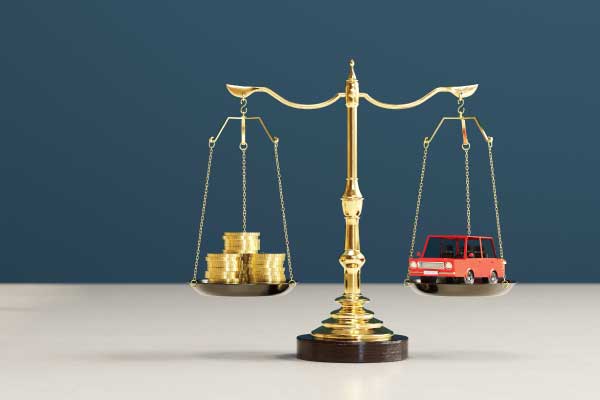
There is a strategic point where repair investment no longer aligns with vehicle value.
Consider:
- Cost of projected upcoming major repairs
- Current market value
- Loan balance & number of months left on the loan
- Reliability history
A professional evaluation can help determine whether continued maintenance or trade-in makes more financial sense.
🏁 Why Local Service Expertise Matters
Owning a used car in Central Vermont is easier when you work with professionals who understand local driving conditions.
Central Vermont Auto Mart provides:
- Experienced technicians
- Transparent diagnostics
- Competitive service pricing
- Vermont State Inspections
- Brake, suspension, battery, and tire expertise
- Local accountability from a family owned and operated dealership, where someone from the family is in the dealership most every day, not in some other state
📈 Long-Term Ownership Strategy: Protecting Value Over Time
Owning a used vehicle successfully in Vermont is not about reacting to problems - it is about developing a strategy.
The difference between a vehicle that becomes expensive and unreliable versus one that delivers years of dependable service often comes down to three ownership principles:
1️⃣ Preventive Maintenance vs. Deferred Maintenance
Delaying repairs rarely saves money. Minor issues - such as worn brake pads, small suspension noises, or weak batteries - can escalate into more expensive component failures if ignored.
For example:
- Worn brake pads can damage rotors.
- Failing suspension components can accelerate tire wear.
- A weak battery can strain the starter and alternator.
Preventive service costs are predictable. Emergency repairs are not.
2️⃣ Corrosion Awareness in Vermont
Central Vermont road salt significantly accelerates underbody corrosion.
Owners who periodically wash undercarriages during winter months and address rust early often extend vehicle life dramatically. While surface rust is common in our region, perforation or structural weakening of suspension or frame components must be addressed promptly.
An annual inspection should never be the first time corrosion is evaluated; your shop should check every time it is in for routine maintenance.
3️⃣ Maintenance Documentation and Resale Value
Proper documentation increases resale value.
When service records are consistent and organized, buyers (and dealers) place higher confidence in the vehicle's condition. This often results in stronger trade values and smoother transactions.
Routine service at a local Barre-Montpelier facility, with documented records showing what services were performed. not only protects reliability - but it also creates an easily documented ownership history that protects your future equity position should you need the records and can't find all your copies over the years of ownership.
Ownership strategy, including resale value is about thinking ahead.
🔧 Schedule Professional Service in Montpelier Today
 |
Friendly
service. Clear explanations. No pressure. We've got you
covered.
❓ Frequently Asked Questions About Owning a Used Car in Vermont
Most used vehicles should be inspected at least twice per year in Vermont — once before winter and once in the spring. Oil changes should follow manufacturer guidelines, but brake, battery, and suspension systems benefit from seasonal evaluations due to road salt and rough road exposure.
Surface rust is common in Vermont due to road salt and brine. However, rust that causes perforation or weakens structural components such as frames, control arms, or suspension mounting points is not normal and should be addressed immediately.
Yes. Vermont requires annual safety inspections to ensure braking systems, suspension components, emissions systems, lighting, and safety equipment meet minimum standards. There have been discussions during the 2025-2026 legislative sessions about changing what is inspected or requiring inspections to be every other year, but as we write this article, no decisions have been adopted to change the current Vermont State Inspection Manual. If such a change was to happen, it becomes even more important to have a local repair facility that will take the time to do a multi-point inspection each time you visit. Most reputable repair shops will perform this at no-charge for you when you are getting maintenance, like and oil change or tire services performed.
Consistent maintenance, winter preparation, early diagnosis of warning signs, underbody washing during salt season, and working with a local service facility familiar with Vermont driving conditions significantly extend vehicle life.
This depends on repair cost, market value, reliability history, and upcoming maintenance needs. A professional service evaluation can help determine whether continued investment makes financial sense or if trading may be the better option.
Cold temperatures strain batteries, thickened fluids increase engine stress, road salt accelerates corrosion, and rough winter roads impact suspension components. Preventive maintenance before winter significantly reduces breakdown risk.
Want to learn more about
vehicle ownership and long-term
care?
 Published February 17, 2026